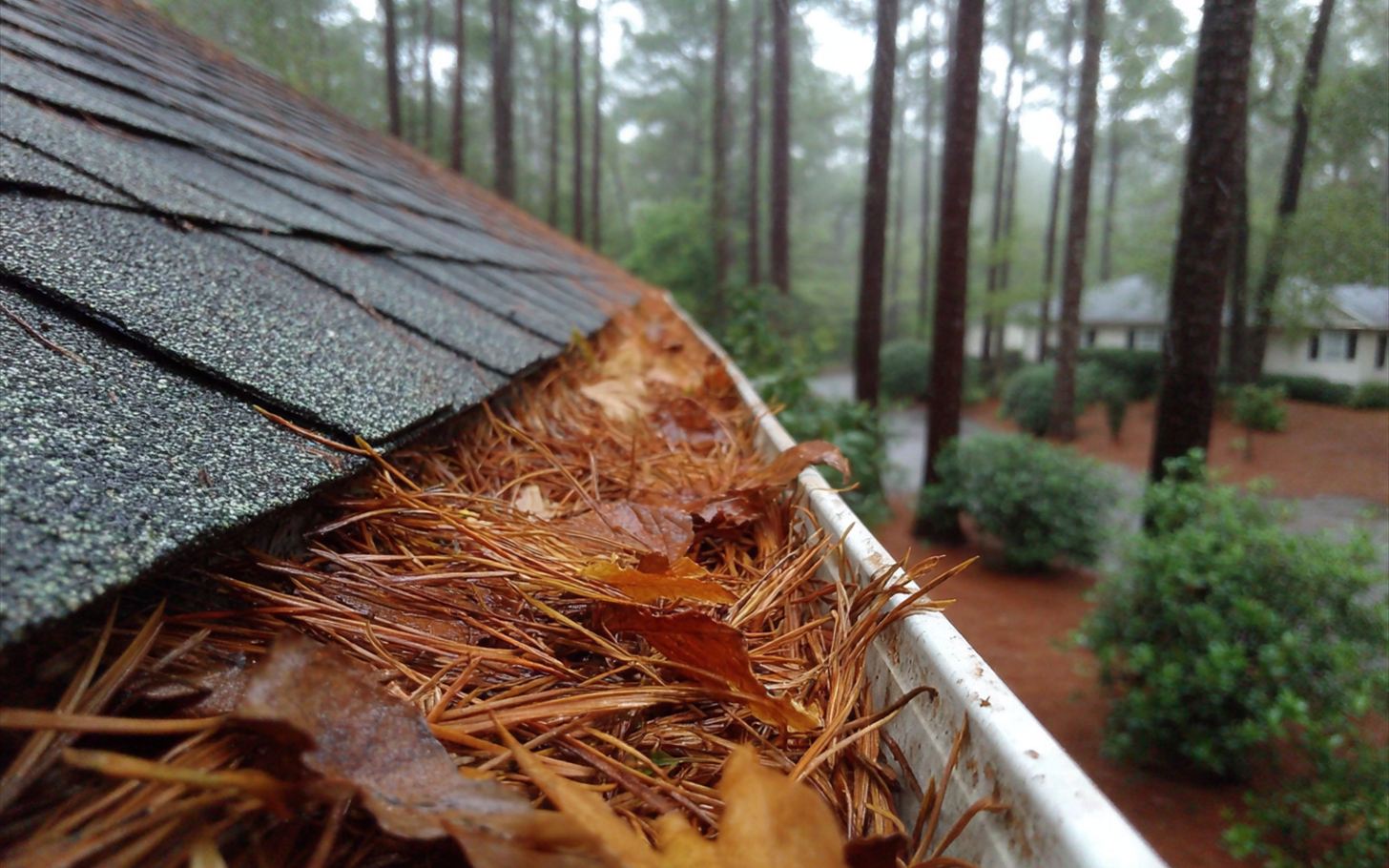
3-Tab and Architectural Shingles
Nearly every pitched roof in Spring is covered in asphalt shingles, and they come in two main kinds: flat 3-tab shingles and thicker, layered architectural (also called dimensional or laminated) shingles. Spring's older houses were often built with 3-tab roofs; almost every replacement now uses architectural shingles. For a shingle repair or a new shingle roof, call (346) 301-2240 and an independent roofing company that works in Spring picks up.
| 3-tab | Architectural | |
|---|---|---|
| Look | Flat, uniform rows of tabs | Layered, shadowed, more texture |
| Weight and thickness | Lighter, single layer | Heavier, two or more laminated layers |
| Wind resistance | Lower; tabs lift more easily | Higher; most carry stronger wind ratings when installed to spec |
| Typical life in Spring heat | Shorter | Longer |
| Where you find it | Original roofs on older houses, some sheds and garages | Most roofs from the late 1990s on |
From the ground: 3-tab roofs look like neat brick rows; architectural roofs look ragged and shadowed.
Ask the roofer: "Which kind is on my roof now, and does it make sense to change?"
What Heat, Wind and Pines Do to Shingles
Heat softens the asphalt and drives out the oils that keep shingles flexible. Over years, the edges curl and the granules, which protect the asphalt from the sun, wash into the gutters.
Wind works on the seal strip that glues each shingle to the one below. Once a tab lets go, the next gust bends it back until it creases or tears off.
Pines add three problems: needles that hold water in valleys, branches that scrape granules off as they blow across, and shade that keeps slopes damp so algae and moss grow. More: pine needles.
From the ground: granules heaped at the bottom of a downspout are a roof wearing out.
Ask the roofer: "Is this wear even across the roof, or worse in one spot?"
Black Streaks and Algae-Resistant Shingles
The dark streaks that run down many Spring roofs are a common roof algae that feeds on the limestone filler in shingles. It thrives in humid shade, so north-facing slopes under pines get it first. It's mostly cosmetic, but heavy growth holds moisture, and moss that roots along the edges can lift shingles.
Many architectural shingles now come with copper-coated granules that slow the algae. Pressure washing a shingle roof strips granules and is a bad idea; gentle cleaning solutions are the usual approach. See roof algae.
Matching Shingles for a Repair
A repair is only invisible if the new shingles match the old ones. That gets harder every year: colors fade in the sun, and manufacturers discontinue lines. A roofer can often find a close match by checking the brand stamp on a spare bundle or on the back of a shingle. When there is no match, owners sometimes choose to replace a whole slope instead, so the difference falls along a ridge or valley rather than in the middle of the roof.
From the ground: look in the garage or attic for leftover bundles from the original roof.
Ask the roofer: "How close a match can you get, and where will the difference show?"
Wind Ratings and Nailing
A shingle's wind rating only holds if it's installed the way the maker specifies. Four things matter most:
- Nail placement. Nails go in the marked nailing strip, not above or below it.
- Nail count. High-wind installs use six nails per shingle instead of four.
- Starter strip. A proper starter course at the eaves and rakes, where wind lifts first.
- Sealing. Shingles installed in cool weather may need hand-sealing.
After the May 2024 derecho, many Spring roofs lost shingles where nailing was high or the seal strip had aged. See the derecho.
From the ground: shingles missing in a line along the eaves often means the starter course failed.
Ask the roofer: "Will you install to the high-wind pattern, and does that change the warranty?"
Shingle Colors and Summer Heat
Shingle color affects more than curb appeal. Dark shingles absorb more of the afternoon sun and run hotter, which adds to attic heat; lighter grays and tans reflect a little more. Some manufacturers now offer reflective shingles with special granules that stay cooler. In a master-planned community, the association's approved color list usually narrows the choice, so start there and then compare how each option handles heat.
From the ground: stand in the street and compare your roof with the houses on either side; most HOAs want the new color to fit the block.
Ask the roofer: "Is a reflective version of this color available, and does the HOA allow it?"
Ridge Caps, Starters and Hip Shingles
The field shingles get most of the attention, but the pieces at the edges and peaks fail first in wind. Starter strips along the eaves and rakes give the first course something to seal to. Hip and ridge caps, the folded pieces along the peaks, take the most wind and sun of any shingle on the roof. Using the manufacturer's own starter and cap products, rather than cut-up field shingles, is part of what keeps a wind warranty valid.
| Part | Where | Why it matters |
|---|---|---|
| Starter strip | Eaves and rakes | First line against wind lifting the edges |
| Hip and ridge caps | Peaks and hips | Most exposed shingles on the roof |
| Drip edge | Under the edge shingles | Keeps water off the fascia |
Are Impact-Resistant Shingles Worth It?
Class 4 impact-resistant shingles hold up better to hail, and some insurers give a premium discount for them. They cost more. Ask your insurer about the discount before choosing.
How Long Do Shingles Last Here?
Less than the number on the wrapper. Heat, storms and shade shorten shingle life in Spring; many architectural roofs need replacing somewhere between 15 and 25 years.
Shingle Roofs Around Spring
In Spring
- Old Town SpringIn Spring
- KleinIn Spring
- Champion ForestIn Spring
- Gleannloch FarmsIn Spring
- NorthamptonIn Spring
- Augusta PinesIn Spring
- Timber LaneIn Spring
- HarmonyIn Spring
North along I-45: The Woodlands · Oak Ridge North · Conroe
West toward Tomball
East toward Lake Houston