What Counts as a Roof Repair
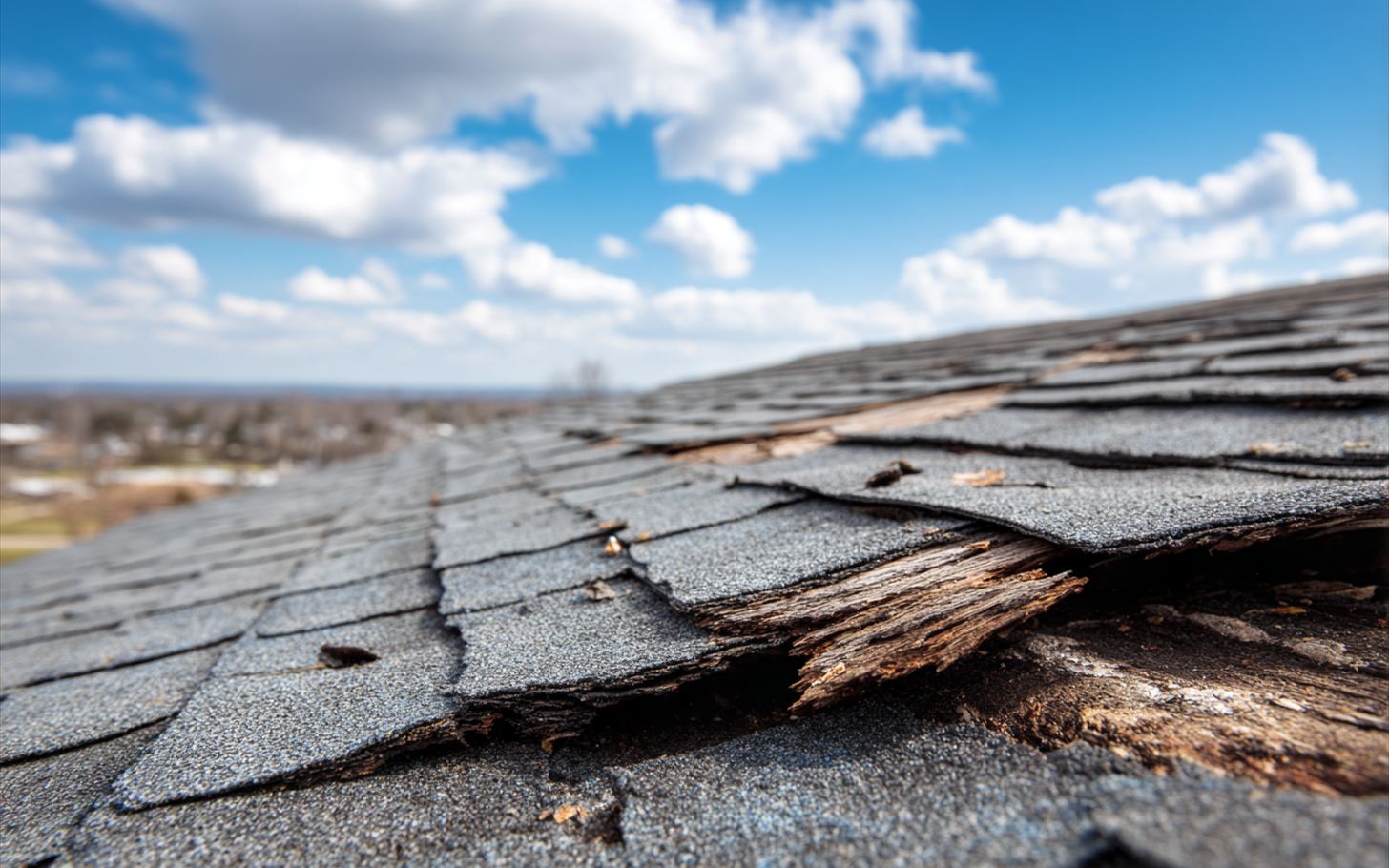
A roof repair fixes one failing part of a roof that is otherwise sound: a few shingles, a vent, a stretch of flashing, a valley, or the decking under a small area. Most roof repair calls around Spring come down to a handful of parts that fail long before the shingles do. Searches for roof repair, roof leak repair and emergency roof repair all lead to the same work. Call (346) 301-2240 and an independent roofing company that works in Spring picks up and explains what it would fix.
A repair makes sense when the roof is less than about two-thirds of the way through its expected life, the damage is limited to one area, and matching shingles are still available.
From the ground: note which room the leak shows up in and which slope of the roof is above it.
Ask the roofer: "Is this one problem, or a sign of others on the same roof?"
Common Roof Repairs in Spring
| Part | What happens | The repair |
|---|---|---|
| Pipe boots | The rubber collar around a plumbing vent cracks in the sun after 8–12 years | Replace the boot, or add a sleeve over the old one |
| Lifted or creased shingles | Wind breaks the seal strip; the tab folds back and cracks | Reseal or replace the tabs, check nailing nearby |
| Valleys | Needles and debris pile up and hold water; shingles wear thin | Clean, then replace worn valley shingles or the valley metal |
| Wall and chimney flashing | Step flashing or counter flashing loosens or rusts | Re-flash the section; reseal masonry joints |
| Attic vents and turbines | Seals fail, turbines seize or blow off | Replace the vent and the shingles around it |
| Drip edge and eaves | Rot behind overflowing gutters | Replace rotten decking and fascia, add drip edge |
From the ground: binoculars help; look at every vent, every wall where the roof meets siding, and every valley.
Tracing a Leak From the Ceiling Up
The drip almost never lands directly below the opening. It enters at a vent, a seam or a nail, runs down the top of the decking or along a rafter, and drips wherever it finds a low point. A roofer usually starts in the attic, follows the water stains upward, and then checks the roof directly above.
Spring houses have a few classic leak paths: the plumbing vent over a bathroom, the step flashing where a second-story wall meets a lower roof, the valley over a garage, and the low corner of a patio roof tied into the main roof. Wind-driven rain adds one more, pushing water under shingles that look perfectly fine. See wind-driven rain.
From the ground: if the stain grows only in sideways rain, say so; it points to a different cause.
Ask the roofer: "Where did you find the water entering, and can I see a photo of it?"
Repairs After Hail and Wind
Spring sees hail most springs, and Texas leads the country in large-hail events year after year. Hail bruises shingles, knocking granules off and cracking the mat underneath; wind lifts tabs and tears them off. Both can be hard to see from the ground.
After a storm, a roofer documents the damage with photos and marks each hit or lifted tab. If the damage is limited, a repair may be enough. If it's spread across several slopes, the conversation turns to replacement, and often to an insurance claim. The claim itself is between you and your insurer; the roofing company's photos and scope are what you share. More: wind and tree damage.
From the ground: look for dents in gutters, downspouts and AC unit fins; they often show where hail hit.
Ask the roofer: "How many slopes are damaged, and is that a repair or a claim?"
Tarps and Temporary Repairs
When a leak is active and the full repair has to wait for materials or weather, a roofer may put on a temporary patch or a tarp. That's usually what people mean by an emergency roof repair or an emergency roof leak repair: stopping the water first, then fixing the roof properly once it's dry. A tarp should be fastened with battens, run over the ridge, and extend well past the damaged area. Temporary work is meant to last days or weeks, not seasons.
Never climb a wet roof to tarp it yourself. A roofing company has the harnesses and the experience to do it safely.
When Repair Stops Making Sense
| Sign | What it usually means |
|---|---|
| Repairs on the same roof every year or two | The shingles are near the end, and patches only chase the next leak |
| Curling, cracking or bald shingles on several slopes | Heat and age have worn the whole roof |
| Soft decking in more than one spot | Water has been getting in for a long time |
| No matching shingles available | A patch will stand out and may void the warranty |
| Storm damage on most slopes | Replacement, often through an insurance claim |
See roof replacement when several of these apply.
From the ground: count the leaks you've had in the last two years.
Ask the roofer: "If this were your roof, would you repair it or replace it?"
Repair Records That Help Later
Keep a simple record of every roof repair: the date, what was fixed, the company, photos and the invoice. It helps when you sell the house, when an insurer asks about the roof's condition, and when the next roofer needs to know which parts are newer than the rest. If the same area keeps leaking, the record shows it.
Can a Roof Be Repaired in the Rain?
A tarp or a temporary patch can go on in light rain if it's safe. Permanent repairs wait for a dry roof, because shingle sealant and flashing sealant don't bond to wet surfaces.
How Long Does a Typical Repair Take?
Most single-area repairs, such as a pipe boot, a few shingles or a stretch of flashing, take a few hours once the roofer is on site. Decking repairs and valleys take longer.
Roof Repair Around Spring
In Spring
- Old Town SpringIn Spring
- KleinIn Spring
- Champion ForestIn Spring
- Gleannloch FarmsIn Spring
- NorthamptonIn Spring
- Augusta PinesIn Spring
- Timber LaneIn Spring
- HarmonyIn Spring
North along I-45: The Woodlands · Oak Ridge North · Conroe
West toward Tomball
East toward Lake Houston