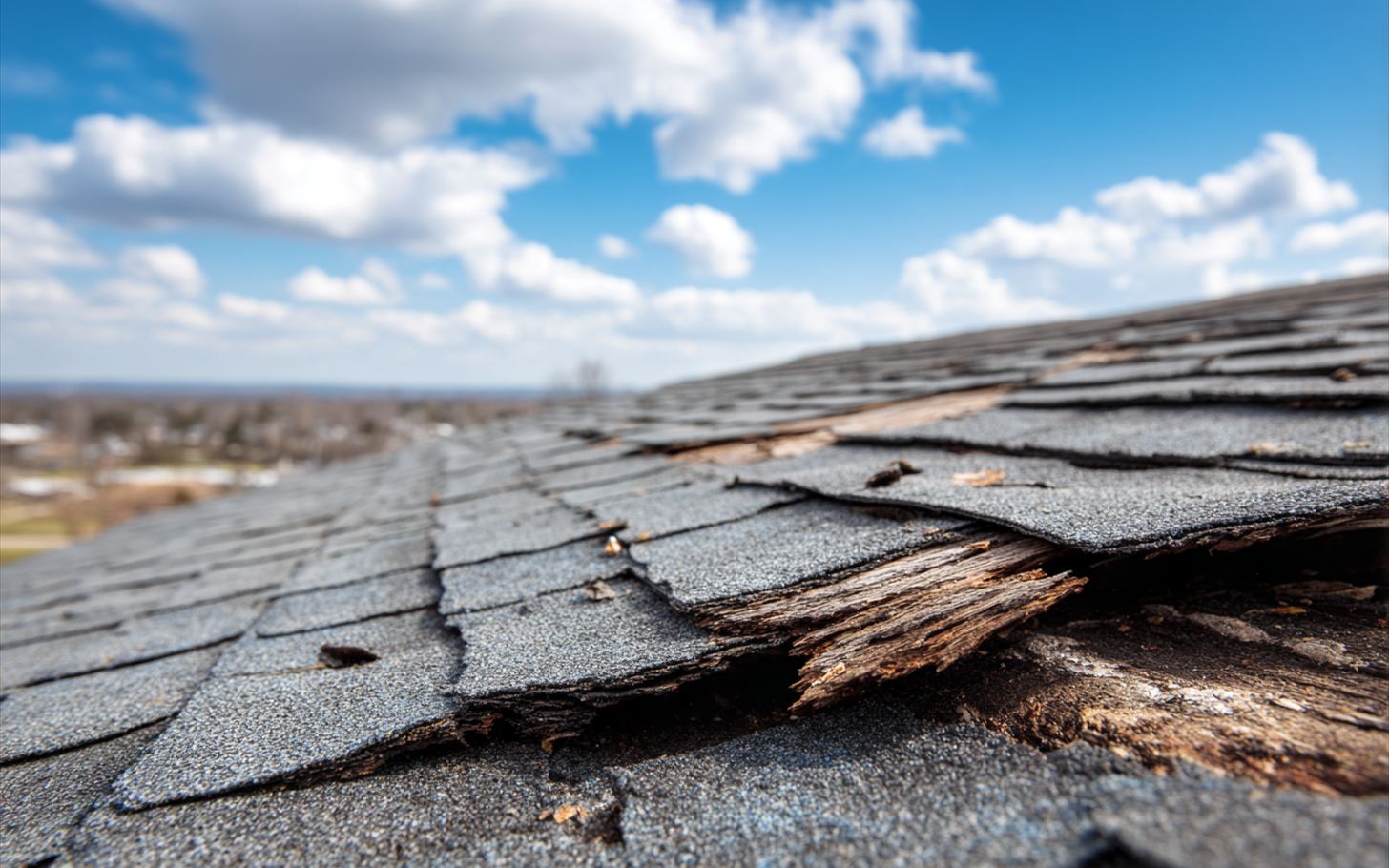
On the evening of May 16, 2024, a line of thunderstorms raced across the Houston area with straight-line winds of hurricane strength. Meteorologists called it a derecho: a long-lived windstorm moving in a band, rather than a single tornado. Downtown Houston lost windows from its towers; across the suburbs, including Spring, trees fell and shingles peeled off in strips.
What the Storm Did
Forecasters put the strongest gusts at roughly 100 mph in Houston, and a 78 mph gust was measured in Highlands, east of the city. More than a million customers lost power. The National Weather Service confirmed several weak tornadoes inside the larger storm, including an EF-1 near Cypress. Many described it as the most damaging wind event in Houston in about 25 years. NASA's Earth Observatory showed the city's lights going dark from space: NASA Earth Observatory: Derecho Darkens Houston.
| The derecho | |
|---|---|
| Date | Evening of May 16, 2024 |
| Peak gusts | About 100 mph estimated in Houston; 78 mph measured in Highlands |
| Tornadoes | Several EF-1s, including one near Cypress |
| Roof damage | Lifted and torn shingles, fallen trees and limbs |
How Wind Takes Shingles Off
Shingles don't usually blow off whole; they fail one seal at a time. Each shingle is nailed near its top and glued to the one below by a strip of sealant that softens in the sun and bonds. Wind flowing over the roof lifts the bottom edge of each tab. If the seal holds, nothing happens. If it's weak, from age, from installation in cold weather, or from dirt and needles, the tab lifts, flexes and creases. Once creased, it tears off in the next gust or the next storm.
That's why wind damage appears in patterns:
- along the eaves and rakes, where wind lifts the edges first
- across the ridge, where pressure is lowest
- on the side of the roof facing the wind
- in lines, where shingles were nailed too high and only the sealant held them
From the ground: look for lines of missing shingles along the edges and bright patches where the underlayment shows.
Ask the roofer: "Are the shingles that are still on there creased or unsealed?"
Repair or Replace After Wind
| What the roofer finds | Usually means |
|---|---|
| A few tabs missing in one area, the rest sealed | A repair with matching shingles |
| Creased tabs scattered across several slopes | A large repair or replacement |
| Seal strips failing everywhere | The roof is aged; replacement |
| Missing starter strip at the eaves | Rebuild the edges properly |
If the roof is replaced, nailing pattern and starter strips matter as much as the shingle brand. See shingle roofs.
Spring After the Derecho
West of Spring, the storm hit Cypress and Tomball hard; north and east, Gleannloch Farms, Conroe and the I-45 corridor saw fallen trees and lifted roofs. Two months later, Beryl tested many of the same roofs again. See Beryl and trees.
From the ground: if you had wind damage in 2024 and only patched it, check those slopes again after the next big storm.
Why Old Seal Strips Fail First
The sealant on a new shingle is soft and sticky; after years of Houston summers it hardens, and dust, pollen and needles weaken the bond. Shingles installed in cool weather may never have sealed fully in the first place. That's why two houses on the same street can fare very differently in the same storm: the newer roof, sealed in summer, holds, while the 18-year-old roof next door sheds tabs along every edge.
| Roof | How its seals usually hold |
|---|---|
| New, installed in warm weather | Strong bond within weeks |
| New, installed in winter | May need hand-sealing |
| 15–20 years old | Brittle sealant, weak bond |
| Covered in needles and pollen | Bond weakened by debris |
Checking the Roof After a Windstorm
- Walk the yard and pick up shingle pieces; note which side of the house they came from.
- Look at the ridge and the eaves for gaps or a line of different color where shingles are missing.
- Check the attic for daylight and the ceilings for new stains over the next few rains.
- If you see lifted tabs but nothing missing, have them looked at while they can still be resealed.
Questions
Is wind damage covered by homeowners insurance in Texas?
Wind damage is generally covered, subject to the deductible. Many Texas policies carry a separate wind and hail deductible set as a percentage of the home's insured value.
Can lifted shingles reseal on their own?
Sometimes, in summer heat, if they weren't creased. A roofer checks whether the bond formed again and hand-seals tabs that didn't.
Do high-wind shingles make a difference?
Installed to the high-wind pattern, with six nails and proper starter strips, they hold up much better than standard installation.
Does the age of the roof affect a wind claim?
It can. Some Texas policies cover older roofs at actual cash value, which accounts for wear, rather than full replacement cost. Check your declarations page.
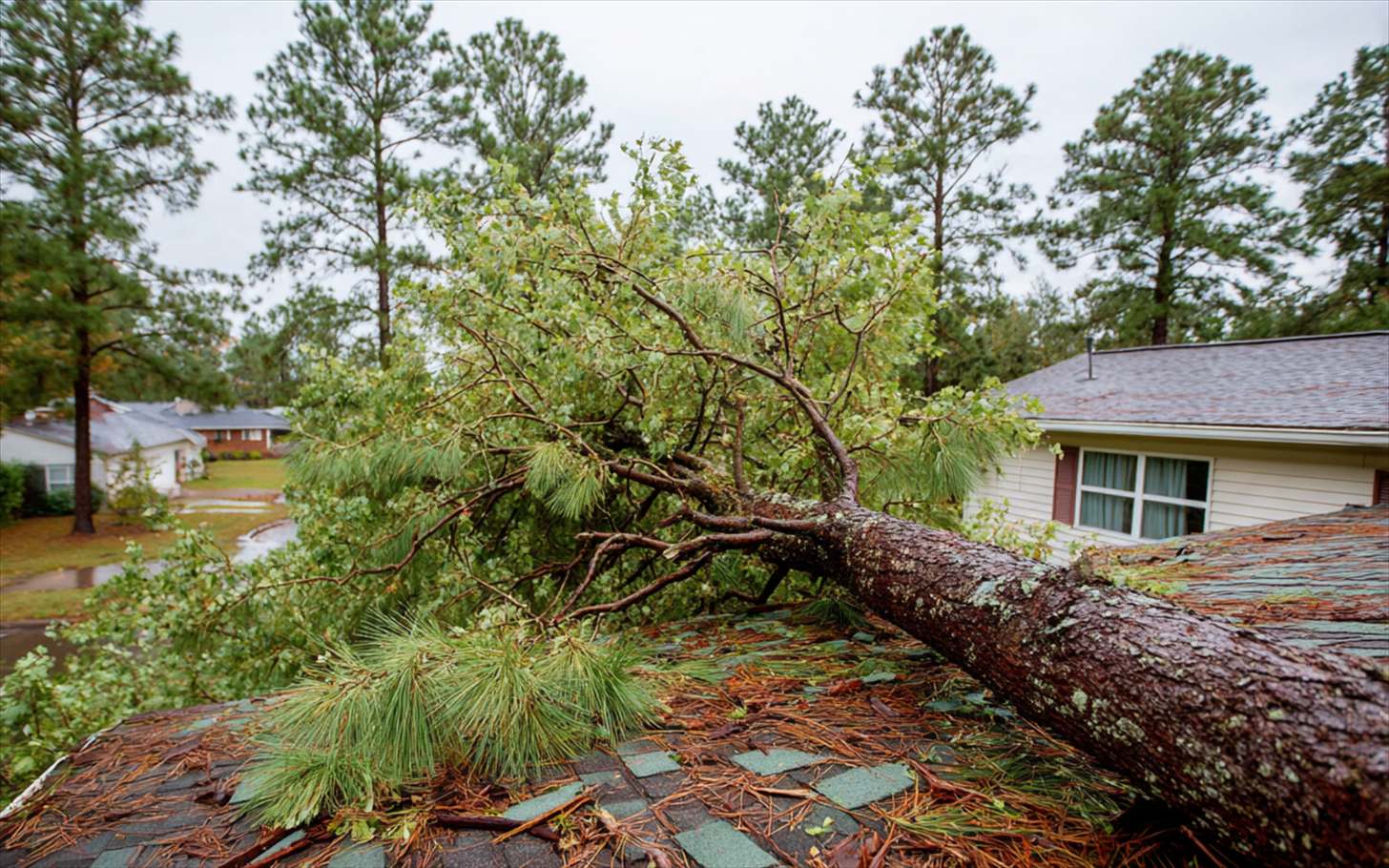
Hurricane Beryl and Trees on Spring Roofs
What the July 2024 storm left on Spring houses.
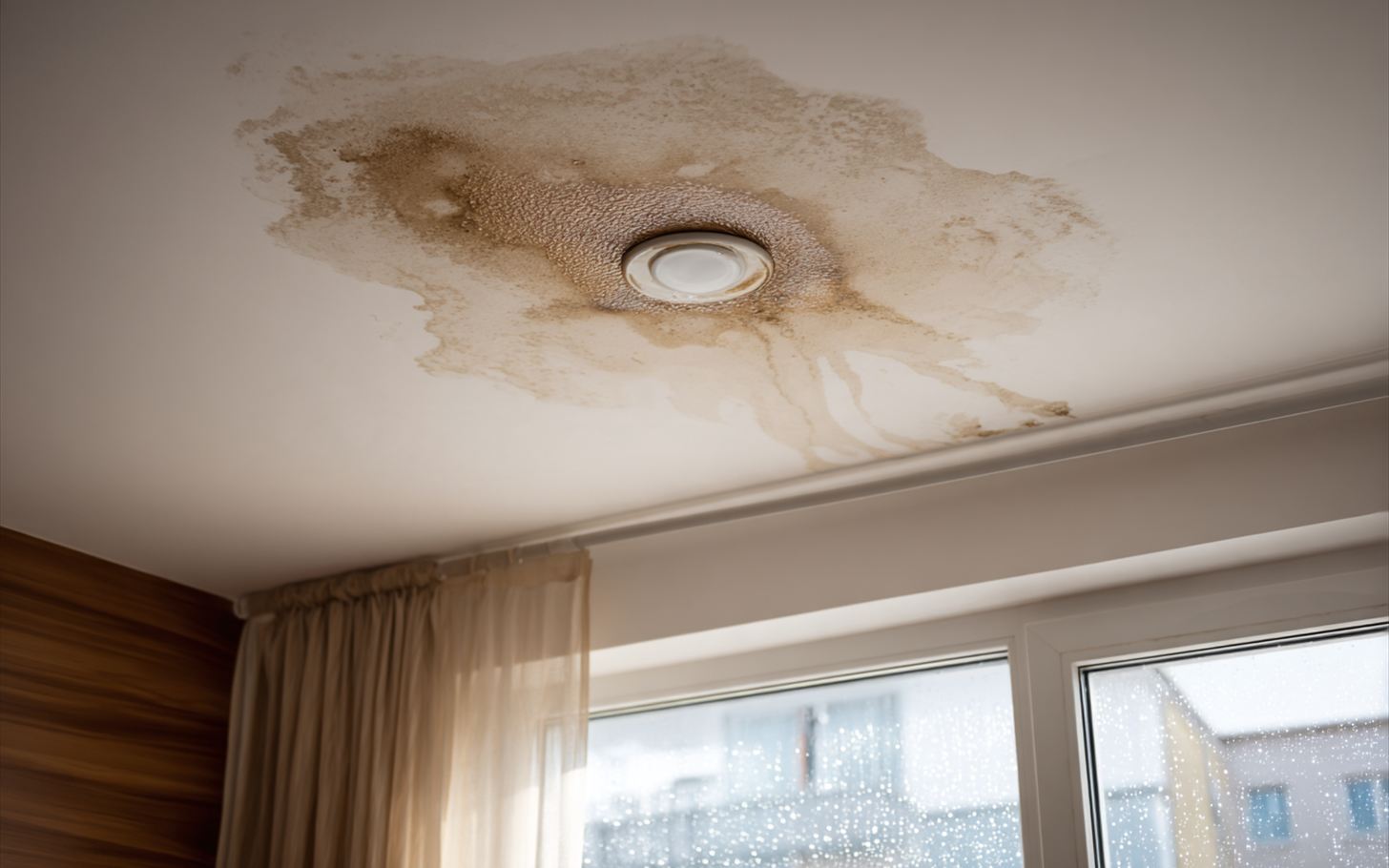
Wind-Driven Rain: Leaks Without a Missing Shingle
When the rain comes in sideways.